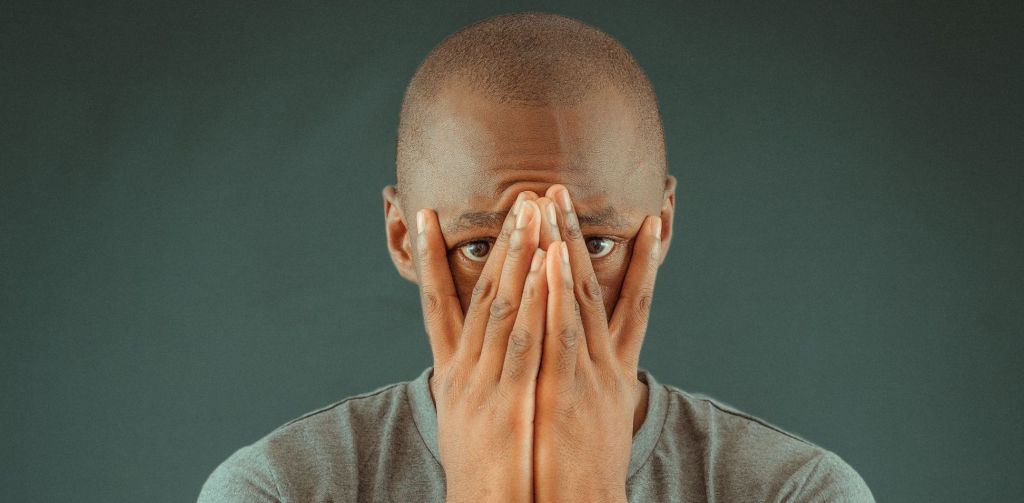
Introduction: Why Hair Fall is More Than Just a Beauty Issue
Hair is not just about beauty—it reflects our health, lifestyle, and even our emotional state. In India, where ayurvedic remedies and modern treatments go hand in hand, hair fall has become a common concern affecting both men and women, from school students facing stress to professionals juggling hectic schedules.
But the big question remains: What really causes hair fall, and how can it be treated effectively?
This detailed guide will not only uncover the hidden reasons behind hair fall but also provide practical treatments, Indian home remedies, and modern solutions—so you can choose what works best for you.
In this post, you’ll learn:
The most common causes of hair fall (backed by science)
Effective treatments: from natural to advanced medical options
Everyday habits that can prevent hair loss
Real Indian success stories and relatable examples
A step-by-step action plan for regaining healthy hair
What Causes Hair Fall? (The Real Culprits You Need to Know)
Hair fall is often a symptom of an underlying issue, not just a standalone problem. Let’s break it down:
1. Genetics (Hereditary Hair Loss)
Known as Androgenetic Alopecia, this is the most common reason.
Men often notice a receding hairline or bald spots, while women may see thinning hair at the crown.
Runs in families—so if your father, mother, or grandparents had it, chances are higher.
2. Hormonal Changes
Women often face hair fall during pregnancy, childbirth, PCOS, or menopause.
Men may experience hormone-triggered thinning due to excess DHT (dihydrotestosterone).
3. Nutritional Deficiencies
Lack of iron, Vitamin D, zinc, protein, and biotin are major contributors.
In India, iron deficiency anemia is extremely common, especially among women.
4. Stress & Lifestyle Factors
Exams, work pressure, and financial struggles can lead to stress-induced hair fall.
Poor sleep, smoking, and excessive alcohol also worsen the condition.
5. Medical Conditions
Thyroid disorders, diabetes, fungal scalp infections, and autoimmune diseases like Alopecia Areata.
6. Hair Care Habits
Overuse of heat styling tools, harsh shampoos, and chemical treatments (straightening, coloring).
Tight hairstyles like ponytails or braids can cause traction alopecia.
Treatments for Hair Fall: Natural, Medical, and Lifestyle Solutions
Now that we know the causes, let’s move to the solutions. Treatments can be grouped into three categories:
1. Natural & Ayurvedic Remedies (Indian Context)
India is a treasure house of herbal remedies that have been used for centuries:
Amla (Indian Gooseberry): Strengthens hair roots and prevents premature greying.
Bhringraj Oil: Known as the “King of Hair Herbs” in Ayurveda.
Neem & Aloe Vera: Treat scalp infections and dandruff.
Onion Juice: Boosts blood circulation to hair follicles.
Fenugreek Seeds (Methi): Rich in protein, helps rebuild damaged hair.
DIY Tip:
Make a hair mask with yogurt + fenugreek paste + coconut oil once a week for natural nourishment.
2. Modern Medical Treatments
For advanced cases, medical help is essential:
Minoxidil (Topical Solution): Stimulates hair growth.
Finasteride (Oral Medicine): Reduces hair fall in men (not recommended for women).
Hair Transplant Surgery: Permanent solution for bald spots.
PRP Therapy (Platelet-Rich Plasma): Uses your own blood platelets to stimulate hair follicles.
Always consult a dermatologist before starting any treatment.
3. Lifestyle & Diet Changes
Eat a protein-rich diet: eggs, pulses, milk, and nuts.
Add iron and Vitamin D sources: spinach, jaggery, mushrooms, and sunlight exposure.
Manage stress through yoga, meditation, and regular exercise.
Get 7–8 hours of proper sleep daily.
Relatable Indian Example
Take the story of Ramesh, a 35-year-old teacher from Uttar Pradesh. He was struggling with hair fall due to stress and irregular eating habits. Instead of rushing to expensive treatments, he combined:
Daily scalp massage with coconut oil,
A diet rich in dals, spinach, and almonds,
Morning yoga and pranayama.
Within 6 months, his hair fall reduced by 70%, and his confidence improved.
Visual Suggestion:
Add a before-and-after photo illustration of a relatable Indian individual (not celebrity-style, but common person success).
✔️ Step-by-Step Action Plan for Readers
1. Identify the Cause: Is it stress, diet, or hereditary?
2. Improve Nutrition: Add protein, iron, and vitamins.
3. Adopt Herbal Remedies: Try natural oils and masks.
4. Consult a Dermatologist: For persistent or severe cases.
5. Maintain Lifestyle Balance: Sleep well, reduce stress, and avoid harsh treatments.
Downloadable Resource Idea:
Offer a free PDF checklist: “7-Day Hair Fall Control Plan.”
Visual Integration Suggestions
Infographic: Causes of Hair Fall (pie chart with percentages).
Step-by-Step Illustration: DIY hair oil preparation.
Comparison Chart: Natural vs. Medical treatments.
Motivational Quote Graphic: “Strong roots create beautiful hair.”
SEO Optimization Strategy
Primary Keywords: hair fall causes, hair fall treatment, how to stop hair fall, remedies for hair loss.
Secondary Keywords: Indian home remedies for hair fall, ayurvedic treatment for hair loss, best food for hair growth, stress hair fall cure.
Meta Description:
Discover the real causes of hair fall and explore effective treatments—from Indian home remedies to advanced medical solutions. A complete guide to regaining healthy, strong hair.
Internal linking: Link to related posts like “Best Morning Diet for Healthy Hair” or “Why Green Vegetables Are Good for the Body.”
External linking: Link to trusted sources like AIIMS, PubMed, or Ayurvedic research papers.
Conclusion: Regain Control of Your Hair & Confidence
Hair fall is not just about looks—it’s about health, confidence, and lifestyle. Whether you choose herbal remedies, medical treatments, or simple lifestyle changes, the key is consistency and patience.
Remember: Every strand you save today adds to your confidence tomorrow.
Actionable CTA:
Share this post with a friend who’s struggling with hair fall.
Comment below: What’s the biggest hair fall challenge you face?
Subscribe to our newsletter for weekly health & wellness tips.
 bipinpro.com