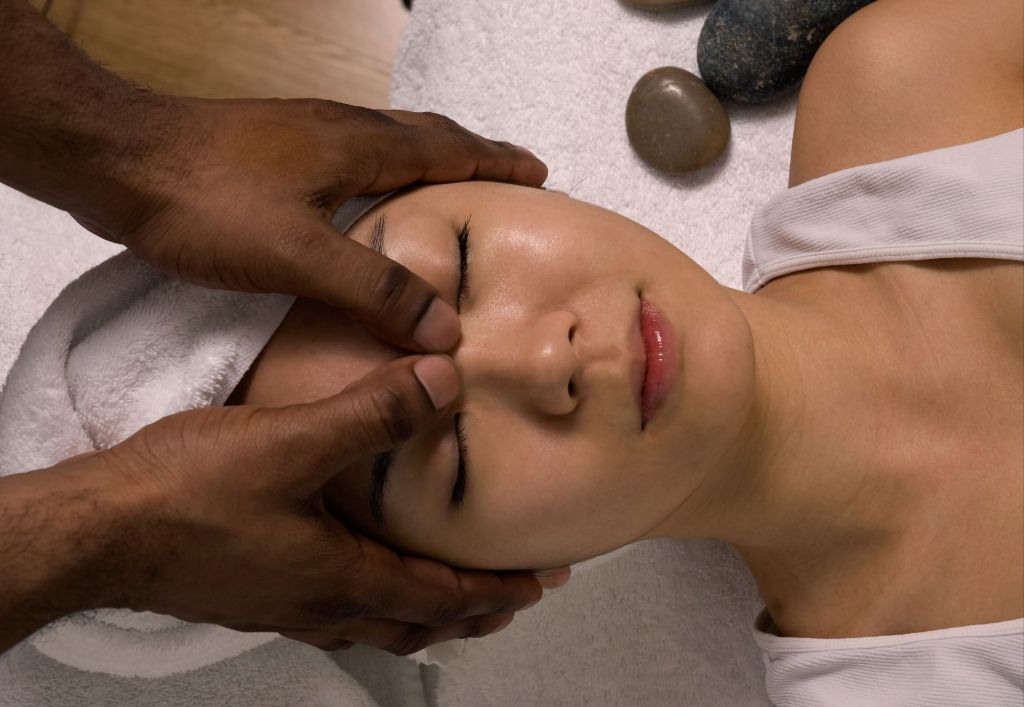
Body Scrubs vs. Body Wash: Which One Should You Use? 🛁✨

📌 Introduction: The Everyday Dilemma of Skincare

Every morning, as you step into the shower, a question often pops into your mind—“Should I use a body scrub or just stick to my regular body wash?” At first glance, both products seem similar—they clean, smell refreshing, and leave you feeling fresh. But when it comes to skincare, their impact is very different.

In this comprehensive guide, we’ll break down the differences between body scrubs and body washes, helping you understand which is better for your skin type, lifestyle, and budget. By the end, you’ll know exactly how to choose the right one—and maybe even how to use both effectively for glowing, healthy skin.

👉 Pro Tip: Choosing the right product isn’t just about trends—it’s about understanding your skin.

 Quick Summary: What You’ll Learn

✅ The difference between body scrub and body wash

✅ Benefits and drawbacks of each

✅ Which one suits your skin type (oily, dry, sensitive, combination)

✅ How to use them effectively in your skincare routine

✅ Affordable Indian options you can buy online or at local stores

✅ Real-life stories of Indians who transformed their skincare habits

🌟 What is a Body Wash?

A body wash is a liquid cleanser formulated to remove dirt, sweat, and oil from your skin. Unlike regular soap bars, body washes often contain moisturizing agents and soothing ingredients, making them gentler.

✨ Benefits of Body Wash

Gentle cleansing: Doesn’t strip away natural oils.

Hydration boost: Many contain aloe vera, shea butter, or glycerin.

Hygienic packaging: Comes in bottles—less bacterial growth compared to soap bars.

Variety of formulas: Available for sensitive, oily, or acne-prone skin.


⚠️ Drawbacks

May contain sulfates and synthetic fragrances, which can irritate sensitive skin.

Overuse can still cause dryness if not followed by moisturizer.

🌿 What is a Body Scrub?

A body scrub is a product containing tiny exfoliating particles—like sugar, salt, or coffee grounds—that physically buff away dead skin cells. It’s less about daily cleaning and more about deep rejuvenation.

✨ Benefits of Body Scrubs

Exfoliation: Removes dead cells for smoother skin.

Improved circulation: Scrubbing boosts blood flow, giving skin a natural glow.

Unclogs pores: Prevents ingrown hairs and body acne.

Better absorption: Prepares skin to soak in moisturizers and serums.


⚠️ Drawbacks

Not for everyday use: Over-exfoliation can cause redness and sensitivity.

May be harsh: Coarse scrubs can damage delicate skin if rubbed too hard.

Messy application: Takes more time and effort compared to body wash.

🔍 Key Differences Between Body Wash & Body Scrub

Feature Body Wash 🚿 Body Scrub 🧴

Primary Purpose Cleansing Exfoliation
Frequency Daily 1–2 times/week
Skin Feel Soft, hydrated Smooth, refreshed
Best For Everyday hygiene Deep cleaning & glow
Example Ingredients Aloe, glycerin, tea tree Coffee, sugar, salt


👉 Takeaway: Body wash is your daily partner, while body scrub is like a weekly spa treatment.

👩‍⚕️ Which One Should You Use for Your Skin Type?

1. Dry Skin 🌵

Go-to: Hydrating body wash with shea butter or coconut milk.

Scrub Tip: Use once a week with a mild sugar-based scrub to avoid irritation.


2. Oily Skin 🌞

Go-to: Body wash with tea tree oil or salicylic acid.

Scrub Tip: Twice a week exfoliation helps unclog pores.


3. Sensitive Skin 🌸

Go-to: Fragrance-free, hypoallergenic body wash (like Cetaphil).

Scrub Tip: Choose ultra-gentle scrubs with oatmeal or rice powder, only once in two weeks.


4. Combination Skin ⚖️

Go-to: Balancing body wash (with aloe or cucumber).

Scrub Tip: Coffee or green tea scrub once a week for glow.

🇮🇳 Real-Life Example: Ramesh’s Transformation Story

Ramesh, a 34-year-old schoolteacher from a small village in Madhya Pradesh, always struggled with dull and rough skin due to long hours in the sun. After switching from only using soap bars to a combo of body wash (daily) and scrub (weekly), his skin became visibly brighter and healthier. His students even noticed and complimented him!

👉 Lesson: Sometimes, small skincare changes bring noticeable confidence boosts.

🛠️ How to Use Body Wash & Scrub Effectively

Using Body Wash 🚿

1. Wet your skin thoroughly.


2. Take a coin-sized amount on a loofah.


3. Lather in circular motions.


4. Rinse and pat dry.


Using Body Scrub 🧴

1. Wet your skin.


2. Apply scrub in gentle, circular motions.


3. Focus on elbows, knees, heels (areas prone to roughness).


4. Rinse off with lukewarm water.


5. Always apply moisturizer afterward.

💰 Affordable & Popular Options in India

Body Washes:

Dove Deep Moisture

Nivea Shower Gel

Mamaearth Vitamin C Body Wash


Body Scrubs:

mCaffeine Coffee Scrub

Biotique Bio Papaya Scrub

Khadi Natural Herbal Scrub

📊 SEO Keywords to Include Naturally

Body scrub vs body wash

Best body wash for dry skin India

Best body scrub for glowing skin

How to use body scrub and body wash together

Body scrub benefits and side effects

🏁 Conclusion: The Balanced Approach

If you’re wondering whether to choose a body scrub or a body wash, the answer is simple—you need both, but in balance. Use body wash daily for hygiene and freshness, and body scrub weekly for deep cleansing and glowing skin.

Your skin deserves regular care, just like your body needs exercise. The right routine can make you feel more confident and energized every single day.


👉 Actionable CTA: Your Next Step

✨ Ready to upgrade your skincare routine?

✅ Try alternating body wash and scrub this week.

✅ Share your experience in the comments—did you notice smoother skin?

✅ Download our free checklist: “7 Days to Healthier Skin” to track your progress.
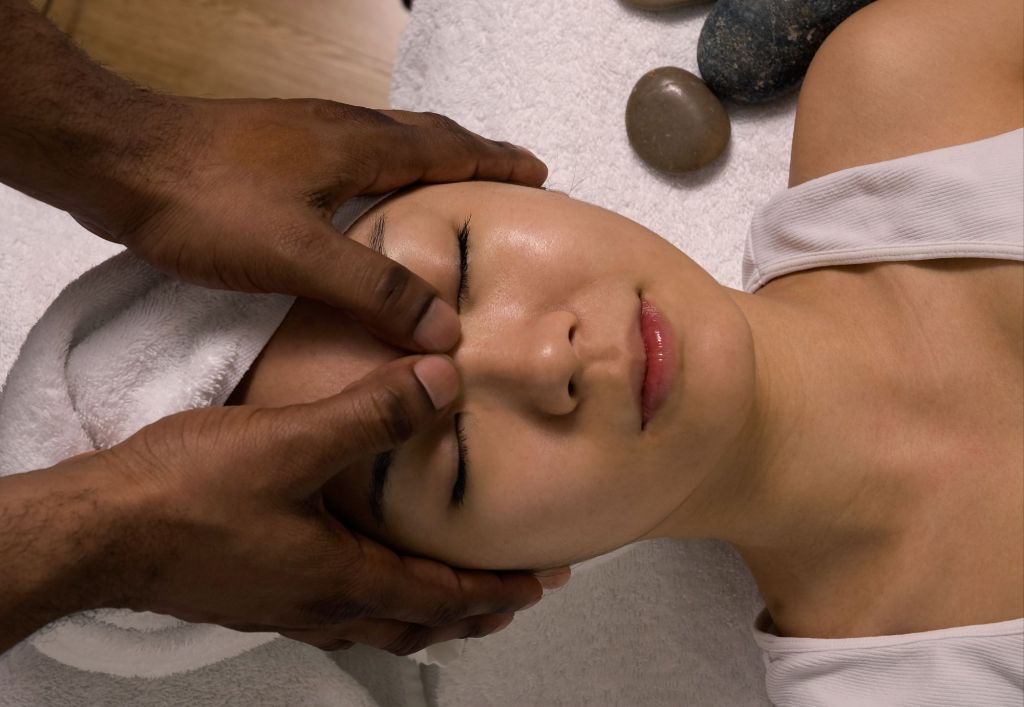
🌿 Benefits of Regular Body Massage for Health & Relaxation

📌 Why Body Massage is More Than Just Luxury

In today’s fast-paced life, most of us are constantly battling stress, body pain, and fatigue. Many people think of body massage as a luxury reserved for spas or vacations. But in reality, regular massage is a powerful health practice that can transform your body and mind.

From boosting blood circulation to reducing stress hormones, and even improving sleep, massage has been scientifically proven to improve overall well-being. In India, the tradition of massage dates back thousands of years with Ayurvedic Abhyanga (oil massage) being a cornerstone of health rituals.

👉 In this post, we’ll explore the science-backed benefits of massage, relatable Indian examples, practical guidance, and actionable steps to integrate massage into daily life.

📋 Quick Overview (Infographic Suggestion)

📌 Visual Idea: Create a colorful infographic titled “Why Regular Body Massage is Good for You” with icons for:

🩸 Better Circulation

😌 Stress Relief

🌙 Better Sleep

💪 Muscle Recovery

🧠 Mental Health Boost

✨ Skin Glow

🩸 1. Boosts Blood Circulation & Detoxification

One of the first things massage does is improve blood flow. When muscles are kneaded, blood vessels expand, which helps in better oxygen and nutrient delivery to cells.

Why it matters:

Reduces fatigue and energizes the body.

Helps remove toxins naturally.

Speeds up recovery from injuries.


💡 Indian Example:
Ramesh, a 42-year-old school teacher from Madhya Pradesh, suffered from frequent leg pain due to standing for long hours. After practicing weekly Ayurvedic leg massage with warm sesame oil, he noticed reduced swelling and better stamina while teaching.

😌 2. Reduces Stress & Anxiety

Massage stimulates the release of endorphins (feel-good hormones) and reduces cortisol (the stress hormone). Even a 15-minute massage can calm the nervous system.

Key Benefits:

Relieves anxiety and restlessness.

Improves mood and emotional balance.

Supports mental clarity and focus.


💡 Relatable Tip:
Many Indian IT professionals in Bengaluru or Hyderabad use quick chair massages during work breaks to reduce neck stiffness and mental fatigue.

🌙 3. Improves Sleep Quality

If you struggle with insomnia or restless nights, massage therapy can be your natural solution. Studies show that massage:

Lowers heart rate and blood pressure.

Activates the parasympathetic nervous system (rest mode).

Increases serotonin, which converts into melatonin (the sleep hormone).


💡 Indian Connection:
In many Indian households, elders still recommend a gentle head massage with warm coconut oil before bedtime. This age-old ritual helps children and adults sleep peacefully.

💪 4. Relieves Muscle Tension & Aches

Regular massage helps release tight knots in muscles, commonly caused by:

Long hours of sitting.

Intense physical activity.

Bad posture.


Massage Benefits for Muscles:

Faster recovery after workouts.

Pain relief from backaches and stiffness.

Reduced risk of injuries.


💡 Real-Life Case:
Priya, a Zumba instructor in Mumbai, shared how sports massage after classes reduced her back pain and improved her performance.

🧠 5. Enhances Mental Health & Focus

Massage doesn’t just relax the body—it rejuvenates the mind. It helps reduce fatigue, enhances focus, and boosts confidence.

Why It Works:

Reduces overthinking by calming the nervous system.

Improves memory by lowering stress.

Provides a “mental reset” during burnout.


💡 Relatable Story:
College students in Delhi often use quick shoulder massages from friends during exam season to release stress and improve concentration.

✨ 6. Improves Skin Health & Natural Glow

Massage with herbal oils increases skin elasticity, hydration, and glow. It also prevents dryness and premature aging.

Popular Indian Oils for Massage:

🥥 Coconut Oil – cooling & hydrating.

🧄 Mustard Oil – boosts circulation, ideal for winters.

🌿 Neem Oil – fights acne and infections.

🪔 Sesame Oil – Ayurvedic choice for strength and nourishment.


💡 Pro Tip: Try weekly Abhyanga oil massage (self-massage) before a warm shower to keep your skin glowing naturally.

🧘 7. Supports Immunity & Overall Well-being

Massage stimulates the lymphatic system, which is responsible for fighting infections. Regular massage can:

Strengthen immunity.

Reduce seasonal illness.

Improve digestion and metabolism.


💡 Indian Example:
During winters, many families in North India practice mustard oil massage to keep the body warm and boost immunity.

🛠️ Practical Guidance: How to Make Massage a Part of Daily Life

1. Daily Mini Massage (5–10 min): Self-massage hands, legs, or head before bed.


2. Weekly Full Body Massage: Use herbal or Ayurvedic oils for relaxation.


3. Professional Sessions: Consider monthly spa or therapy visits for deeper healing.


4. Combine with Yoga & Stretching: Massage + yoga amplifies results.


5. Hydrate Well: Always drink water after massage to flush out toxins.

🇮🇳 Indian Context: Inspiring Stories

Ramesh (Teacher, MP): Reduced leg swelling with weekly oil massage.

Priya (Fitness Instructor, Mumbai): Improved muscle recovery and avoided burnout.

Seema (Homemaker, Jaipur): Daily head massage helped her fight anxiety and sleep better.


👉 These examples show that massage is not limited to spas or the rich—it’s accessible, affordable, and deeply rooted in Indian culture.


🔗 SEO & Interactivity Tips

Add internal links to related posts like: “Best Home Remedies for Stress” or “Ayurvedic Practices for Daily Wellness”.

External links: Cite Indian health authorities like AYUSH Ministry for credibility.

Interactive Element: Add a poll – “How often do you take a massage? (Daily / Weekly / Rarely / Never)”.

Downloadable Resource: Provide a “Massage Routine Checklist PDF”.

🏁 Conclusion

Massage is not just about relaxation—it’s about rejuvenating your body, calming your mind, and healing your soul. With roots in India’s ancient traditions and backed by modern science, regular massage is a timeless practice that supports holistic health.


👉 Call-to-Action

✅ Want to explore more? Read our guide on “Top Ayurvedic Oils for Massage”.

📥 Download your Free Weekly Massage Checklist to start today.

💬 Share in the comments: What’s your favorite massage ritual at home?

🍟 What Happens If You Eat Overcooked Fried Food? [Full Guide for Health & Wellness]

📌 Introduction: The Hidden Dangers in Your Crispy Bite

Everyone loves a hot plate of pakoras, samosas, or even crispy French fries. But have you ever wondered what happens when your fried food is overcooked or too brown? While it may look crunchy and tasty, overcooked fried food carries hidden health risks that most people ignore.

This post will explain the science behind overcooking, its impact on your body, and what you can do to enjoy fried food without harming your health. Whether you’re a student grabbing snacks, a busy professional relying on fast food, or a homemaker preparing meals, these insights will help you make smarter food choices.

🔍 Why Does Fried Food Get Overcooked?

Before we dive into the health effects, let’s understand why fried food sometimes turns dark brown or even black.

High frying temperature: Oils like sunflower, mustard, or refined oils, when heated beyond their smoke point, cause burning.

Repeated use of oil: Common in Indian households and street stalls, reused oil increases chances of food burning.

Thin vs. thick coating: Thin-coated items (like potato chips) burn faster than thicker ones (like pakoras).

Long cooking time: Leaving food for even 1–2 extra minutes in hot oil can cause over-browning.

⚠️ What Happens to Food When It’s Overcooked?

Overcooking doesn’t just change the taste—it changes the chemistry of food:

1. Formation of Acrylamide

Acrylamide is a harmful chemical that forms in starchy foods (like potatoes) when fried at high temperatures.

Studies link it to increased cancer risk over time.


2. Nutrient Loss

Heat destroys essential vitamins like Vitamin C, B-complex, and antioxidants.

Instead of nourishing you, overcooked food gives you empty calories.


3. Oil Oxidation

Overheated oils break down and produce toxic compounds like aldehydes.

These compounds damage your cells and may contribute to heart disease.


4. Excessive Hardening

Burnt layers make digestion difficult, leading to acidity and bloating.

🩺 Health Effects of Eating Overcooked Fried Food

Eating overcooked fried food occasionally might not kill you—but making it a habit has serious health consequences.

1. Increased Risk of Cancer

Acrylamide is classified as a “probable human carcinogen.”

Regular intake increases risks of cancers like stomach and colon cancer.


2. Heart Problems

Oxidized oils raise bad cholesterol (LDL) and lower good cholesterol (HDL).

Over time, this may lead to high blood pressure, stroke, or heart attacks.


3. Digestive Issues

Burnt food is harder to digest.

People often experience gas, acidity, or constipation after consuming.


4. Weight Gain & Diabetes Risk

Extra oil + burnt starch = empty calories with zero nutrition.

This leads to unhealthy weight gain and increases risk of type 2 diabetes.


5. Inflammation & Aging

Toxic compounds trigger inflammation in the body.

This speeds up skin aging, joint pain, and fatigue.

 The Indian Connection: Why This Matters More to Us

In India, fried foods are an emotion—from samosas at the chai stall to jalebis at weddings. But street vendors and even home kitchens often reuse oil multiple times and cook at very high temperatures, making overcooking more likely.

Relatable Example:
Ramesh, a school teacher from Uttar Pradesh, loved eating kachoris from a nearby stall every evening. Over time, he developed digestive issues and high cholesterol. When he reduced oily snacks and switched to homemade, lightly fried versions, his health improved significantly.

🛠️ How to Reduce the Harm of Fried Food

You don’t need to give up fried food completely. With smart strategies, you can reduce risks:

✅ Smart Cooking Practices

Use fresh oil: Avoid reusing frying oil more than twice.

Right temperature: Fry at medium heat (not smoking hot).

Golden, not dark brown: Stop cooking when food turns golden.

Smaller batches: Prevent overheating oil by frying in smaller amounts.


✅ Smarter Eating Choices

Pair fried foods with raw veggies or salads to balance antioxidants.

Limit frequency: Treat fried foods as a weekend indulgence, not daily habit.

Hydrate well: Drinking water helps flush out toxins.

Detox spices: Add turmeric, ginger, or lemon in meals to reduce oxidative stress.

🧩 Interactive Idea: Test Yourself!

👉 Quiz suggestion (embed on blog):

“Do you know how to spot overcooked fried food?”

Multiple-choice with answers like Color, Smell, Taste.


This encourages readers to engage and share the post.

🏁 Conclusion: Think Before You Crunch

Overcooked fried food may look crunchy, but it silently harms your body. From cancer risks to heart disease, its dangers are real. The good news? With simple cooking adjustments and mindful eating habits, you can still enjoy your favorite pakoras or fries—without compromising your health.

👉 Call-to-Action (CTA)

🔗 Explore related reads: [Why Green Vegetables Are Good for Your Body] or [Best Time to Drink Water for Health].

📥 Download our free “Healthy Eating Cheat Sheet” with practical tips for Indian households.

💬 Comment below: What’s your favorite fried snack, and how do you make it healthier?

🌿 How to Prevent Body Odor Naturally: Effective Indian Home Remedies & Lifestyle Tips

📌 Why You Need This Guide

Body odor (often called BO) is something many of us shy away from discussing—but it’s an issue that affects nearly everyone at some point. In India, where the climate is hot and humid for most of the year, sweating is natural, but unpleasant body odor can lower confidence, affect relationships, and even influence professional opportunities.

This blog will give you practical, natural, and Indian-friendly solutions to prevent body odor. From grandmother’s home remedies to modern lifestyle hacks, you’ll learn everything you need to smell fresh—without relying only on chemical-laden deodorants.

👉 By the end of this post, you’ll know:

The real reasons behind body odor

Easy home remedies and diet tips to fight odor naturally

Step-by-step daily routines to stay fresh

Relatable Indian examples to prove it’s doable

Downloadable resources and checklists to take action today

📝 Meta Description (SEO Optimized)

Discover natural ways to prevent body odor with simple Indian home remedies, diet changes, and lifestyle tips. Stay fresh, confident, and healthy—without chemical deodorants.

🤔 What Causes Body Odor? (And Why It’s Not Just About Sweat)

Most people think sweat itself smells bad—but that’s a myth. Sweat is usually odorless. The problem starts when:

1. Bacteria break down sweat → producing strong, unpleasant smells.


2. Poor hygiene → allows bacteria to multiply quickly.


3. Diet (like too much onion, garlic, or spicy food) → makes sweat smell stronger.


4. Stress & hormones → increase sweat production.


5. Clothing choices → synthetic fabrics trap sweat.


💡 Indian Example: Ramesh, a schoolteacher from Rajasthan, used to sweat a lot during his classes. He realized that wearing polyester shirts made the odor worse. When he switched to cotton kurtas and started using neem water for bathing, his problem reduced by 70%!

SEO Keywords to Integrate Here: causes of body odor, sweat and bacteria, why body odor happens.

🌿 Natural Ways to Prevent Body Odor

Here comes the core of our guide. Let’s dive into remedies and tips you can start using today.


1️⃣ Daily Hygiene Habits that Make the Biggest Difference

🚿 Bathe twice daily (especially in hot climates). Use antibacterial soaps with neem or tulsi.

🧼 Scrub armpits, feet, and groin properly, as these areas produce the most odor.

🪥 Don’t ignore oral hygiene—bad breath often combines with body odor to make things worse.


Visual Suggestion: Step-by-step illustration of “Daily Hygiene Routine for Freshness.”

2️⃣ Clothing Choices That Keep You Fresh

👕 Choose cotton, linen, or khadi fabrics over polyester.

👖 Wash clothes daily, especially innerwear.

☀️ Dry clothes in sunlight—it kills odor-causing bacteria naturally.


👉 Indian Tip: In Kerala, people often dry their clothes in bright sun, which works better than machine dryers.

3️⃣ Powerful Indian Home Remedies

India’s traditional wisdom is packed with natural deodorants:

Neem Water Bath: Add neem leaves to your bathwater. Its antibacterial properties fight odor-causing bacteria.

Lemon Juice Rub: Apply diluted lemon juice to armpits; its acidity kills bacteria.

Multani Mitti (Fuller’s Earth): Used as a body mask to absorb sweat and toxins.

Baking Soda: Acts as a natural deodorant when applied lightly.

Sandalwood Powder: Not only keeps you fragrant but also absorbs sweat.


💡 Relatable Example: Priya, a college student in Delhi, ditched chemical sprays and started using a paste of sandalwood and rose water before going out. Not only did her odor vanish, but she also started getting compliments on her “natural fragrance.”

4️⃣ Diet and Lifestyle Adjustments

You are what you eat—literally! Certain foods make your sweat smell stronger.

❌ Limit onion, garlic, spicy curries, and alcohol.

✅ Eat more green leafy vegetables (like spinach, methi, and coriander) to purify blood.

✅ Drink plenty of buttermilk, coconut water, and lemon water to flush out toxins.

✅ Add fenugreek seeds to your diet—they reduce bad odor.


SEO Keywords to Integrate: body odor diet tips, foods that reduce body odor, what to eat for freshness.

5️⃣ Mind the Stress Factor

Stress and anxiety can make you sweat more. Try:

🧘 Practicing yoga and pranayama (breathing exercises).

🛌 Sleeping at least 7–8 hours daily.

☕ Avoiding too much caffeine, which triggers sweat glands.

6️⃣ Natural DIY Deodorant Recipe (Safe & Cheap)

Ingredients:

2 tbsp coconut oil

2 tbsp baking soda

Few drops of tea tree oil


Method: Mix well, store in a small jar, and apply like deodorant.

👉 Works wonders, is chemical-free, and costs under ₹50 to make!

📊 Advanced Lifestyle Hacks for Long-Term Freshness

1. Shave underarms – less hair = less bacterial growth.


2. Detox once a week – drink coriander water or triphala tea.


3. Foot care – soak feet in salt water to avoid smelly feet.


4. Stay hydrated – water dilutes sweat toxins.

🇮🇳 Real-Life Indian Stories

Case Study 1: Anjali, a call center employee in Bangalore – switched from deodorant sprays to alum (fitkari) rub. She reports saving money and staying odor-free during her night shifts.

Case Study 2: Rajesh, a shopkeeper in Mumbai – started drinking jeera water daily. Within 2 weeks, his wife noticed his sweat smelled less pungent.


These stories prove that small, natural changes lead to big improvements.

🔗 Internal & External SEO Linking Strategy

Link internally to related posts like:

“Why Green Vegetables Are Good for Health”

“Daily Body Care Routine for Professionals”


External references (with Indian authority):

Ayush Ministry – Natural Health Remedies

ICMR Reports on Personal Hygiene

🏁 Conclusion: Smell Fresh, Stay Confident

Preventing body odor naturally is not about hiding sweat—it’s about balance. With the right hygiene, natural remedies, diet, and lifestyle, you can stay fresh all day long.

Remember, this isn’t about impressing others only—it’s about feeling confident in your own skin.

👉 Actionable CTA

✅ Download our free checklist: “10 Daily Habits to Stay Odor-Free Naturally.”

🔗 Explore related guides on diet and body care.

💬 Comment below: What’s your favorite Indian home remedy for body odor?

🍷 Why is Alcohol Harmful to the Body? Complete Guide with Indian Context

📌 Subtitle:

Uncover the hidden dangers of alcohol, how it impacts your health step by step, and why cutting down could be the best decision of your life.

📋 Description:

Alcohol is one of the most socially accepted substances in India and worldwide. Yet, its harmful effects on the body are often underestimated. From damaging the liver to weakening the brain and affecting family life, alcohol silently destroys health and happiness. This comprehensive post explores why alcohol is harmful to the body, backed by science, relatable Indian examples, and actionable tips you can start today.

🥂 Introduction: The Double-Edged Sword of Alcohol

In India, alcohol is often seen as a way to celebrate festivals, release stress after work, or socialize with friends. But here’s the truth:
Every sip of alcohol comes at a hidden cost.

While some people think “occasional drinking” isn’t harmful, research shows that even moderate alcohol consumption can harm organs, reduce immunity, and increase cancer risks.

⚠️ Section 1: How Alcohol Affects the Body – A Breakdown

Alcohol doesn’t just affect one organ—it spreads its damage everywhere.

1. 🧠 Brain and Mental Health

Slows down brain function, leading to poor decisions.

Increases risks of depression and anxiety.

Causes memory loss and long-term cognitive decline.


Relatable Example (India):
Ramesh, a young IT professional in Bengaluru, started drinking to “relieve work stress.” Within 3 years, he developed anxiety and insomnia, losing productivity at work.

2. 💖 Heart and Blood Pressure

Raises blood pressure, increasing the risk of heart attack and stroke.

Irregular heartbeat is common among regular drinkers.


Data Insight:
According to the Indian Council of Medical Research (ICMR), alcohol-related cardiovascular diseases are rising among men aged 25–40.

3. 🍔 Digestive System and Liver

Liver Cirrhosis: A deadly condition caused by years of heavy drinking.

Fatty Liver: Even a few months of drinking can cause fat buildup in the liver.

Increases risk of stomach ulcers and digestive cancers.

4. 🧬 Cancer Risks

Alcohol is linked to mouth, throat, liver, breast, and colon cancers.

Even light drinking increases risk—there is no safe limit.

5. 🛡️ Immune System

Alcohol weakens immunity, making you prone to infections.

Increases recovery time after illness.

6. 👩 Women & Alcohol – Double the Risk

Women metabolize alcohol differently, so damage is faster.

Higher risk of breast cancer and hormonal imbalances.

Dangerous during pregnancy – can harm the baby (Fetal Alcohol Syndrome).

📊 Section 2: Why Do People Drink Despite Knowing the Risks?

Common Reasons in India:

1. Peer Pressure: College students influenced by friends.


2. Stress Relief: Professionals using alcohol as a “relaxation tool.”


3. Cultural Acceptance: Alcohol in weddings, parties, and celebrations.


4. Advertising Influence: Glamorous liquor ads create a false “cool” image.

🇮🇳 Section 3: Indian Stories – Real-Life Impact

Case 1: Sunita, a homemaker in Uttar Pradesh, lost her husband at 45 due to liver failure caused by daily drinking. Left with two children, she struggled financially and emotionally.

Case 2: A young cricketer from Mumbai gave up alcohol, regained fitness, and was later selected for a state-level team. His story inspires many youths to stay away from addiction.


👉 Relatable narratives create a strong emotional connection and encourage behavioral change.

🛠️ Section 5: Actionable Guidance – How to Reduce or Quit Alcohol

Step-by-Step Plan:

1. Acknowledge the Problem: Accept alcohol’s impact on your health.


2. Set Small Goals: Start by reducing frequency (from daily → weekly).


3. Find Alternatives: Drink fresh juices, coconut water, or herbal teas in social settings.


4. Seek Support: Talk to family, friends, or support groups like Alcoholics Anonymous (AA India).


5. Professional Help: Consult doctors or therapists for withdrawal management.


6. Stay Busy: Engage in hobbies, fitness, or volunteering to replace cravings.

Section 6: Alcohol and India – The Bigger Picture

India ranks among the top alcohol-consuming nations in Asia.

Alcohol-related road accidents claim thousands of lives every year.

Families often face financial crises due to excess spending on alcohol.


Stat: A 2022 report by the World Health Organization (WHO) estimated that India loses over 2% of GDP annually due to alcohol-related productivity losses and healthcare costs

🌟 Section 7: Benefits of Reducing or Quitting Alcohol

Better liver and heart health.

Improved skin and appearance.

Clearer thinking and stronger memory.

Better relationships and financial stability.

Increased life expectancy.


👉 Relatable Indian Example:
Ravi, a shopkeeper from Jaipur, quit alcohol at 40. Within 6 months, he regained energy, saved more money, and became a role model in his locality.

🏁 Conclusion: Your Health is Worth More Than a Drink

Alcohol may look glamorous in ads and parties, but the reality is harsh. From damaging your organs to straining relationships, its harms are far-reaching.

If you’ve ever thought about quitting or reducing alcohol, today is the right time. Even small steps can make a big difference for your health and family.

👉 Call-to-Action (CTA):

🔗 Explore More: Read our related article on “Top Foods for a Healthy Liver.”

📥 Download Free Resource: [“7-Day Alcohol-Free Challenge Checklist” PDF].

💬 Engage: What’s your biggest motivation to avoid alcohol? Share in the comments below.

🌟 Daily Body Care Routine for Healthy & Glowing Skin: A Complete Guide

📌 Unlock the Secrets to Radiant Skin Every Day

Healthy and glowing skin isn’t just about expensive creams or salon facials—it’s about consistency in your daily body care routine. With the right habits, anyone—from a college student with a tight schedule to a working professional in a bustling Indian city—can achieve skin that radiates confidence and vitality.

In this guide, you’ll learn step-by-step body care routines, Indian-friendly skincare tips, and real-life relatable examples to help you take charge of your skin health.

📋 What You’ll Discover in This Guide

✅ Simple daily body care steps that fit easily into your routine.

✅ Natural and budget-friendly options suitable for Indian weather and lifestyle.

✅ Relatable Indian stories proving how achievable glowing skin can be.

✅ Visual aids (infographics & charts) to make routines easier to follow.

✅ Actionable tips that you can apply today for visible results.


Think of your skin as the mirror of your overall health. Just like brushing teeth daily keeps them strong, daily body care keeps your skin youthful, hydrated, and glowing.

In India, where we face humid summers, pollution in cities like Delhi, and dry winters in the North, neglecting skin care can lead to dullness, acne, pigmentation, and even premature aging.

👉 Remember: Skincare is not vanity—it’s health care.

🛁 Step 1: Morning Body Care Routine for a Fresh Start

Your morning ritual sets the tone for the entire day. Here’s a simple, effective routine:

🌞 Cleanse Gently

Use a mild, sulphate-free body wash or natural options like besan (gram flour) mixed with milk.

Avoid over-scrubbing—your skin doesn’t need harsh treatment daily.


💧 Hydrate from Within

Drink 2 glasses of lukewarm water with lemon right after waking up.

This flushes toxins, aids digestion, and boosts skin glow.


🌿 Moisturize

Apply a lightweight body lotion with SPF (essential in India’s sunny climate).

For natural care, aloe vera gel works wonderfully.

🌙 Step 2: Night Body Care Routine for Repair & Recovery

Nighttime is when your skin repairs and rejuvenates.

🧼 Clean Off Dirt & Pollution

Take a quick shower before bed if you commute daily or live in polluted areas.

Use lukewarm water, not hot, to avoid dryness.


🌹 Deep Moisturization

Apply a thicker cream, shea butter, or coconut oil on dry areas (heels, elbows, knees).

Massage for 5 minutes to improve blood circulation.


💤 Bonus Step: Overnight DIY Mask

Mix milk cream (malai) + honey, apply for 15 mins, wash, and sleep.

Wake up to soft, glowing skin.

🧴 Step 3: Weekly Body Care Essentials

Even if you’re busy, a weekly routine works like a skin reset button.

Exfoliate: Use homemade scrubs like coffee + coconut oil or haldi + curd.

Oil Massage (Abhyanga): A traditional Indian practice using mustard, sesame, or coconut oil before a warm bath.

Detox Bath: Add rock salt or neem leaves to bathwater to remove toxins and refresh skin.

🍎 Step 4: Nutrition & Lifestyle for Glowing Skin

Your body care isn’t complete without internal care.

Eat Right:

Include green leafy vegetables, seasonal fruits, nuts, and seeds.

Avoid excessive junk food and sugary drinks.


Stay Hydrated:

Drink 8–10 glasses of water daily. In summers, include coconut water and buttermilk.


Sleep Well:

7–8 hours of quality sleep is non-negotiable. Lack of sleep leads to dull, tired-looking skin.

🏞️ Real-Life Indian Example (Relatable Story)

Meet Ramesh, a school teacher from Madhya Pradesh. For years, he ignored skincare, thinking it was unnecessary. His skin became dull due to dust exposure on his daily cycle rides.

When he started a simple daily care routine—washing, moisturizing, and drinking more water—his skin transformed in 3 months. Now his students even compliment him for looking younger and healthier.

👉 Lesson: Consistency, not luxury, brings results.

🔍 Common Mistakes to Avoid in Body Care

❌ Using harsh soaps that strip natural oils.

❌ Ignoring neck, hands, and feet in skincare.

❌ Skipping SPF thinking it’s only for the face.

❌ Overusing chemical exfoliants that damage skin.

💡 Advanced Body Care Tips for Indians

🌿 Use multani mitti packs for summer body cooling.

☀️ Apply sunscreen even on cloudy days.

🧖 Treat yourself to a steam bath once a week to unclog pores.

🍵 Sip green tea or tulsi tea to fight free radicals

🏁 Conclusion: Small Steps → Big Glow

Healthy and glowing skin doesn’t demand a fortune—it needs daily discipline, Indian home remedies, and smart care routines. Whether you’re a student managing classes or a corporate professional battling pollution, consistent body care will reward you with skin that reflects confidence and health.

👉 Actionable CTA for Readers

✨ Ready to start your journey to glowing skin?

✅ Download our FREE Daily Body Care Checklist (PDF) to follow every day.

✅ Explore related guides: [Best Indian Diet for Glowing Skin] & [Home Remedies for Clear Skin].

✅ Share your own skin care story in the comments—your experience could inspire someone!

🔗 SEO & Engagement Boosters

Primary Keywords: Daily body care routine, glowing skin tips, Indian skincare routine, healthy skin habits.

Secondary Keywords: natural remedies for skin, morning skincare routine, night care for glowing skin, hydration for skin health.

Internal Linking Suggestion: Link to articles on “Nutrition for Skin,” “Importance of Hydration,” and “Yoga for Skin Glow.”

💤 The Role of Sleep in Weight Loss and Muscle Growth: Unlocking Your Body’s Hidden Power

📌 Why Sleep is the Missing Link in Your Fitness Journey

Most people focus on diet and exercise when it comes to losing weight or building muscle, but there’s a third pillar that often gets ignored—sleep. If you’ve ever worked hard in the gym or followed a strict diet but didn’t see results, the culprit may be your sleep schedule.

In this post, we’ll explore:

🔍 How sleep affects weight loss and fat burning

💪 The role of sleep in muscle repair and growth

🧠 Science-backed connections between sleep, hormones, and appetite

🇮🇳 Real-life Indian examples and tips you can apply starting today

📋 Actionable steps to optimize your sleep for fitness success

🌟 Why Sleep Matters More Than You Think

Sleep is not just downtime. It’s an active process where your body:

Repairs damaged tissues

Balances hunger and satiety hormones

Stores memories and skills (even gym form!)

Recharges energy for the next day


📊 Studies show adults who sleep less than 6 hours are 55% more likely to gain weight compared to those who sleep 7–9 hours.

⚖️ Sleep and Weight Loss: The Hormonal Connection

When you don’t sleep enough, your hormones go haywire, which directly impacts your weight.

🔑 Hormones Affected by Sleep:

1. Ghrelin (“Hunger Hormone”) – Increases when you’re sleep-deprived, making you crave junk food.


2. Leptin (“Satiety Hormone”) – Decreases, so you don’t feel full even after eating.


3. Cortisol (“Stress Hormone”) – Rises with poor sleep, leading to fat storage (especially belly fat).


4. Insulin Sensitivity – Drops, meaning your body struggles to use energy properly, storing more fat.


📊 One Indian study (AIIMS, Delhi) found that sleep-deprived participants consumed an average of 300 more calories per day—mostly from fried and sugary foods.

💪 Sleep and Muscle Growth: The Recovery Factor

Muscles don’t grow when you’re working out—they grow while you sleep.

🛠️ What Happens During Deep Sleep:

Growth Hormone Release: Stimulates muscle repair and growth.

Protein Synthesis: Your body rebuilds micro-tears in muscles caused by workouts.

Testosterone Regulation: Critical for both men and women in maintaining lean muscle.


📊 Athletes who sleep 8+ hours show a 20% faster recovery rate compared to those sleeping 5–6 hours.

👉 Indian Example:
Ramesh, a 28-year-old gym enthusiast from Pune, hit a plateau despite heavy training. Once he improved his sleep (from 5 hrs to 7.5 hrs nightly), his strength improved, recovery time shortened, and he finally saw muscle definition.

🧠 Cognitive & Emotional Impact: Why It Matters in Fitness

Poor sleep reduces motivation to work out.

Increases cravings for comfort foods like samosas, sweets, and fried snacks.

Reduces focus → poor gym performance and higher risk of injury.


⚡ Simply put: Without proper sleep, your brain sabotages your fitness goals.

🕰️ How Much Sleep Do You Really Need?

Age Group Recommended Sleep Fitness Impact

Teenagers (14–17) 8–10 hrs Supports growth & hormones
Young Adults (18–25) 7–9 hrs Essential for recovery & focus
Adults (26–64) 7–8 hrs Optimal for fat loss & muscle gain
65+ 7–8 hrs Maintains metabolism & energy

🛠️ Actionable Tips: How to Improve Sleep for Weight Loss & Muscle Growth

🌙 1. Create a Sleep Schedule

Go to bed and wake up at the same time daily.

Avoid late-night binge-watching or scrolling.


☕ 2. Limit Stimulants

Avoid tea, coffee, or energy drinks after 6 PM.

Switch to chamomile tea or warm milk.


📱 3. Digital Detox Before Bed

Blue light from phones blocks melatonin (sleep hormone).

Try 30 minutes of no-screen rule before bed.


🛏️ 4. Optimize Sleep Environment

Keep room dark, cool, and quiet.

Use cotton bedsheets (common in Indian households) for comfort.


🧘 5. Relaxation Techniques

Practice 5-minute meditation or pranayama.

Reading a light book helps calm the mind.

🇮🇳 Indian Context: Real-Life Inspiration

Virat Kohli emphasizes quality sleep as a part of his fitness routine, alongside strict diet and exercise.

Local Example: Meena, a working mother in Hyderabad, lost 8 kgs in 6 months by balancing her diet and 7 hours of consistent sleep, instead of trying fad diets.


This shows sleep isn’t just for elite athletes—it’s for everyday Indians juggling work, family, and health

🔗 SEO & Internal Linking Strategy

Link to related posts like:

“Best Time to Drink Water for Health”

“Morning Diet Guide for Energy & Weight Loss”


External links: AIIMS studies, WHO guidelines on sleep.


🏁 Conclusion: Sleep—Your Fitness Multiplier

To lose weight and build muscle, diet and exercise are only two-thirds of the equation. Sleep is the missing third pillar that makes your efforts truly effective.

👉 Call to Action

📥 Download our Free Sleep Optimization Checklist for fitness lovers.

💬 Share in the comments: How many hours do you sleep daily, and have you noticed its impact on your fitness?

🔔 Subscribe for more science-backed health and fitness posts tailored to the Indian lifestyle.

🌟 Top 5 Superfoods for Building Immunity: An Indian Guide to Stronger Health

📌 Why Your Immunity Deserves Attention

In today’s fast-paced world, our bodies are constantly fighting pollution, changing weather, stress, and unhealthy eating habits. Building a strong immune system isn’t just about avoiding illness — it’s about creating a shield that keeps you energized, focused, and ready to thrive.

The secret weapon? Superfoods. These nutrient-packed powerhouses can naturally strengthen your body’s defense system. And the best part — most of them are easily available in every Indian kitchen or local market.

👉 In this guide, we’ll explore the Top 5 Superfoods for Building Immunity, backed by science, Indian traditions, and real-life examples you can relate to.

1. 🌿 Turmeric – India’s Golden Immunity Booster

Turmeric, or haldi, has been part of Indian households for centuries. Known as the “golden spice,” it is rich in curcumin, a compound with powerful anti-inflammatory and antioxidant properties.

✅ Health Benefits of Turmeric:

Strengthens the immune system by reducing oxidative stress.

Fights infections (thanks to its antibacterial properties).

Helps in faster recovery from colds, coughs, and even injuries.

Supports joint and heart health.


🛠️ How to Use:

Add a pinch of turmeric to warm milk (haldi doodh or “golden latte”).

Mix turmeric with black pepper (to boost curcumin absorption) in curries, dal, or soups.

Use fresh turmeric in pickles or smoothies.


📌 Indian Example: During the COVID-19 pandemic, lakhs of Indian households returned to the age-old practice of drinking haldi doodh every night. Ramesh, a 50-year-old teacher from Madhya Pradesh, shared that this simple habit helped reduce his seasonal flu episodes dramatically.

2. 🍊 Amla (Indian Gooseberry) – The Vitamin C Powerhouse

Amla, or Indian gooseberry, is a superfood deeply rooted in Ayurveda. It is one of the richest sources of Vitamin C, containing nearly 8 times more Vitamin C than an orange!

✅ Health Benefits of Amla:

Boosts white blood cell production, strengthening immunity.

Acts as a natural detoxifier, cleansing your blood.

Improves digestion and nutrient absorption.

Enhances skin glow and slows down aging.


🛠️ How to Use:

Drink fresh amla juice in the morning.

Eat raw amla with a pinch of salt.

Use amla powder in warm water with honey.

Include it in pickles, chutneys, or candies.


📌 Indian Example: Many students preparing for competitive exams consume amla juice daily for better immunity and mental focus. One such example is Neha, a UPSC aspirant from Delhi, who swears by starting her day with a small shot of amla juice instead of tea.

3. Garlic – The Natural Antibiotic

Garlic (lahsun) has long been considered a natural antibiotic in Indian kitchens. Packed with allicin, it has strong antiviral, antifungal, and antibacterial properties that help fight infections.

✅ Health Benefits of Garlic:

Strengthens the immune system against common infections.

Improves heart health by lowering cholesterol and blood pressure.

Reduces the risk of seasonal flu.

Provides antioxidants that delay cell aging.

How to Use:

Eat 1–2 raw garlic cloves on an empty stomach (traditional Indian practice).

Use garlic paste in curries, soups, and stir-fries.

Roast garlic with ghee and use it as a spread.

Indian Example: In rural parts of Bihar and Uttar Pradesh, many families still practice the habit of giving children a roasted garlic clove in winter to prevent coughs and colds.

3. 🧄 Garlic – The Natural Antibiotic

Garlic (lahsun) has long been considered a natural antibiotic in Indian kitchens. Packed with allicin, it has strong antiviral, antifungal, and antibacterial properties that help fight infections.

✅ Health Benefits of Garlic:

Strengthens the immune system against common infections.

Improves heart health by lowering cholesterol and blood pressure.

Reduces the risk of seasonal flu.

Provides antioxidants that delay cell aging.


🛠️ How to Use:

Eat 1–2 raw garlic cloves on an empty stomach (traditional Indian practice).

Use garlic paste in curries, soups, and stir-fries.

Roast garlic with ghee and use it as a spread.


📌 Indian Example: In rural parts of Bihar and Uttar Pradesh, many families still practice the habit of giving children a roasted garlic clove in winter to prevent coughs and colds.

Add walnuts to oats or poha for breakfast.

Use pumpkin seeds as a crunchy topping on salads.


📌 Indian Example: Kavita, a young IT professional in Bengaluru, swapped her mid-day biscuits with a handful of almonds and pumpkin seeds. Within three months, she noticed improved energy levels and fewer sick days at work.

5. 🥬 Green Leafy Vegetables – Everyday Immunity Heroes

Spinach (palak), fenugreek (methi), and drumstick leaves (moringa) are nutrient-dense foods packed with iron, folate, vitamins A, C, and K. They are often called “immunity’s best friends.”

✅ Health Benefits of Green Leafy Veggies:

Increase hemoglobin levels, boosting oxygen supply.

Provide antioxidants that protect against chronic diseases.

Improve gut health, which directly affects immunity.

Support glowing skin and healthy hair.


🛠️ How to Use:

Add spinach to parathas, dals, or smoothies.

Make methi thepla or palak paneer.

Dry moringa leaves and use them as a powder supplement.


📌 Indian Example: The mid-day meal scheme in several Indian schools now includes spinach and other leafy vegetables regularly to boost children’s immunity and reduce anemia rates.

🏁 Conclusion: Nourish Today, Protect Tomorrow

Building immunity doesn’t require expensive supplements. Nature has already gifted us superfoods that are part of India’s cultural and culinary heritage. By including turmeric, amla, garlic, nuts & seeds, and green leafy vegetables in your daily diet, you’re not just preventing illness — you’re building a foundation for lifelong health.

👉 What’s Next for You?

✅ Try adding at least 2 of these superfoods daily into your meals.

✅ Download our free “Immunity-Boosting Food Checklist” (CTA link).

✅ Share this guide with friends and family to spread the knowledge.

✅ Tell us in the comments: Which of these superfoods do you already use, and which one will you start with today?

⚡ SEO Notes Used:

Primary Keywords: superfoods for immunity, best immunity foods, boost immune system naturally

Secondary Keywords: Indian superfoods, natural immunity boosters, health tips India

Tags: immunity, health, superfoods, Indian diet, nutrition

🏡 How to Stay Fit Without Going to the Gym (Home Fitness Guide)

Introduction: Why Home Fitness is the Future

Not everyone has the time, money, or even access to a gym. Between long working hours, family responsibilities, and rising gym memberships, many Indians wonder: “Can I really stay fit without going to the gym?”

The answer is a powerful YES.

Science and experience show that you can build strength, improve stamina, lose weight, and stay healthy — all from the comfort of your home. In fact, home workouts combined with simple lifestyle changes can often be more effective than sporadic gym sessions.

This guide breaks down everything you need to know: proven exercises, Indian success stories, meal guidance, step-by-step routines, and practical hacks — all designed to keep you fit without ever stepping inside a gym.

The Science Behind Home Workouts

Before we jump into the “how,” let’s understand why home fitness works.

1. Bodyweight Resistance: Exercises like push-ups, squats, and planks use your own body weight as resistance, stimulating muscles just like gym equipment.

2. High-Intensity Interval Training (HIIT): Short bursts of intense activity followed by rest can burn fat faster than long cardio sessions.

3. Consistency is Key: At home, you eliminate excuses (traffic, timing, gym holidays). Regularity is the secret to long-term fitness.

According to a 2021 study in the Journal of Sports Sciences, short daily home workouts are as effective for weight management as longer gym-based sessions.

✅ Benefits of Home Fitness

1. Saves Time & Money

No commute, no expensive memberships.

Perfect for busy students and professionals.

2.  Builds Strength Naturally

Push-ups, planks, lunges, yoga — these strengthen muscles without machines.

3. ⚡ Improves Consistency

Easy to fit into daily routine (15–30 minutes).

4. Reduces Stress

Yoga, meditation, and stretching improve mental health.

5.  Family-Friendly

Everyone — from kids to grandparents — can participate.

Step-by-Step Guide: How to Stay Fit at Home

Step 1: Create a Dedicated Space

Choose a corner of your room for workouts. Keep a yoga mat, water bottle, and maybe resistance bands.

Step 2: Start with Warm-Up (5 Minutes)

Jumping jacks

Arm circles

Light jogging on the spot

Step 3: Choose Your Workout Style

A. Beginner-Friendly (20 mins)

10 push-ups

15 squats

20 jumping jacks

20-second plank

Repeat 3 rounds

B. Intermediate (25–30 mins)

20 push-ups

20 lunges (each leg)

15 burpees

30-second plank

Repeat 4 rounds

C. Yoga-Based Routine (30 mins)

Surya Namaskar (5 rounds)

Bhujangasana (Cobra pose)

Trikonasana (Triangle pose)

Shavasana for relaxation

Step 4: End with Cool-Down (5 Minutes)

Stretching + deep breathing.

Nutrition Tips to Complement Home Workouts

Fitness is 70% diet and 30% exercise. Without proper food, even the best workouts won’t show results.

Indian Home-Friendly Diet Tips:

1. Protein Power: Include dal, paneer, eggs, sprouts, and nuts.

2. Smart Carbs: Replace white rice with brown rice, oats, or millets.

3. Healthy Fats: Use ghee, coconut oil, or groundnut oil in moderation.

4. Hydration: Drink at least 2–3 liters of water daily.

5. Avoid: Fried snacks, sugary drinks, and excessive packaged food.

Example: Sushma, a homemaker from Lucknow, combined a 20-minute yoga routine with a simple diet of dal, sabzi, chapati, and fruits. Within 6 months, she lost 7 kg — without a gym or fancy diet plans.

 Real-Life Indian Stories: Inspiration from Everyday Heroes

Ramesh, a School Teacher (Madhya Pradesh):
Couldn’t afford a gym membership. Started with 10 push-ups a day. Today, he does 50 daily and runs local marathons.

Anjali, College Student (Delhi):
Used to feel lazy and tired during online classes. Began doing 20 minutes of dance cardio + yoga daily. Now, she’s more energetic and confident.

Rajesh, IT Professional (Bengaluru):
Sitting long hours at a desk affected his back. Began with simple stretches and planks at home. In 3 months, his posture improved, and back pain reduced.

Quick Comparison: Gym vs Home Fitness

Aspect Gym Home Fitness

Cost ₹1,000–₹3,000/month in gym .Almost free at home
Fixed hours in gym. Anytime at home anywhere.
Equipment Machines weights in gym .Bodyweight at home, simple props
Consistency Dependent on commute & schedule Easier to maintain
Family Involvement Limited Whole family can join

SEO Keywords to Integrate (Naturally)

Stay fit without gym

Home fitness guide India

Best home workout routine

How to exercise at home without equipment

Indian diet for fitness at home

🧠 Advanced Tips for Better Results

1. Track Progress: Use free fitness apps like HealthifyMe or Google Fit.


2. Mix it Up: Alternate between strength, cardio, and yoga.


3. Stay Accountable: Join online fitness groups or challenge a friend.


4. Make It Fun: Dance, skip rope, or play a sport at home.


5. Rest Well: 7–8 hours of sleep is crucial for recovery.

🏁 Conclusion: Fitness is a Lifestyle, Not a Location

Staying fit doesn’t require fancy equipment, expensive gyms, or celebrity trainers. All it takes is commitment, consistency, and smart choices.

Whether you’re a student in a hostel, a homemaker in a small town, or a corporate employee in a metro, home fitness gives you freedom, flexibility, and results.

👉 Remember: It’s not about having time, it’s about making time.

👉 Call-to-Action

📥 Download Free Resource: “7-Day Home Fitness Challenge (No Equipment Needed)” in PDF format.

🔗 Explore Related Post: [Morning Diet Guide: What to Eat for Energy & Health].

💬 Engage: Share your own home workout story in the comments — inspire others by showing how YOU stay fit without a gym.

“Your body is your gym. Start where you are, use what you have, do what you can.”


🌟 The Science of Intermittent Fasting: Benefits & Side Effects

Introduction: Why Intermittent Fasting is More Than Just a Trend

In recent years, Intermittent Fasting (IF) has moved beyond being a Hollywood fitness fad or a Silicon Valley productivity hack. Today, it’s a global wellness phenomenon — practiced by students, working professionals, and even homemakers in India looking for sustainable health solutions.

But here’s the big question: Does intermittent fasting really work, or is it just another diet trend?

Science offers some fascinating answers. From improving metabolism and protecting heart health to sharpening brain function, IF has multiple evidence-backed benefits. At the same time, it has side effects and challenges that can’t be ignored.

This article explores the complete science of intermittent fasting, its benefits, risks, Indian context, and most importantly, how you can apply it safely in daily life.

By the end, you’ll know whether intermittent fasting is the right choice for your body and lifestyle.

What Exactly is Intermittent Fasting?

Unlike diets that tell you what to eat, intermittent fasting tells you when to eat. It’s an eating pattern where you cycle between periods of fasting and eating.

Common Methods of Intermittent Fasting:

1. 16/8 Method: Fast for 16 hours, eat during an 8-hour window (e.g., 11 am to 7 pm).

2. 5:2 Diet: Eat normally for 5 days, restrict calories (500–600) for 2 days.

3. Alternate-Day Fasting: Fast every other day.

4. OMAD (One Meal A Day): Eat all your calories in one meal.

In India, the 16/8 method aligns well with traditional habits like early dinners or skipping breakfast with morning tea.

✅ The Science-Backed Benefits of Intermittent Fasting

1. ⚖️ Weight Loss & Fat Reduction

Fasting reduces insulin levels, making it easier for the body to burn stored fat.

Increases norepinephrine, a fat-burning hormone.

Helps control unnecessary snacking and calorie overload.

Example: Ramesh, a 42-year-old teacher from Madhya Pradesh, lost 8 kg in 4 months by following a 14/10 fasting window. He simply avoided late-night snacks and noticed better energy levels.

2. Improves Insulin Sensitivity

Helps regulate blood sugar by giving the body time to stabilize glucose levels.

Reduces the risk of type 2 diabetes, especially important for Indians, as India is the diabetes capital of the world.

Research Insight: A 2019 study found intermittent fasting lowered fasting blood sugar by up to 6% and improved insulin resistance by 20–31%.

3. ❤️ Boosts Heart Health

Lowers cholesterol, triglycerides, and blood pressure.

Reduces inflammation, which is linked to heart disease.


👉 Indian Context: With heart disease on the rise due to sedentary jobs and fast-food culture, IF can act as a preventive lifestyle choice.

4. 🧠 Enhances Brain Function & Longevity

Increases BDNF (Brain-Derived Neurotrophic Factor), improving memory and focus.

Activates autophagy, a natural process of cleaning damaged cells.

May delay or prevent Alzheimer’s and Parkinson’s.


💡 Think of autophagy like a “detox mode” for your cells.

5. 🥗 Supports Digestion & Gut Health

Fasting gives the digestive system a break.

Reduces bloating, acidity, and irregular bowel movements.


👉 Many Indians who suffer from gastric issues due to heavy meals or irregular eating find relief with IF.

⚠️ The Side Effects & Risks of Intermittent Fasting

Intermittent fasting is powerful, but it’s not for everyone.

Common Side Effects:

Hunger pangs & irritability

Headaches & dizziness

Fatigue or low energy (especially in beginners)

Overeating during eating windows

Nutrient deficiencies if diet is poor


High-Risk Groups:

Pregnant or breastfeeding women

Diabetic patients on medication (without doctor’s supervision)

People with eating disorders

Those with very high physical activity (laborers, athletes)


👉 Real-life Note: Anjali, a college student from Delhi, tried the OMAD method but felt weak and couldn’t focus on studies. She later shifted to a lighter 12/12 routine and found it sustainable.

🥘 How to Practice Intermittent Fasting Safely in India

Step-by-Step Beginner Guide:

1. Start Small → Begin with a 12/12 cycle (12 hrs fasting, 12 hrs eating).


2. Hydrate Well → Drink water, herbal teas, or lemon water during fasting.


3. Choose Wholesome Foods → Focus on dal, sabzi, chapati, fruits, nuts, sprouts, instead of fried snacks.


4. Avoid Sugar Spikes → Replace white rice with brown rice or millets.


5. Stay Consistent → Results show up within 6–8 weeks, not overnight.

Eating window (11 am – 7 pm): Poha, dal-rice, sabzi, roti, salad, fruits.

Fasting window: Water, green tea, lemon water.

📊 Quick Comparison Table

Aspect Benefits Risks

Weight Management Reduces fat, controls appetite Risk of overeating in eating window
Diabetes Control Improves insulin sensitivity Hypoglycemia in diabetics
Brain & Longevity Boosts memory, autophagy, slows aging Not enough long-term studies
Digestion Improves gut health, reduces bloating May cause acidity if overeating

🔍 SEO Keywords to Integrate (Naturally):

Intermittent fasting benefits

Intermittent fasting side effects

Fasting for weight loss in India

How to start intermittent fasting

Best intermittent fasting method

🏁 Conclusion: Is Intermittent Fasting Right for You?

Intermittent fasting is not a magic pill but a scientifically backed lifestyle approach. For many Indians, it offers an effective way to manage weight, prevent diabetes, improve digestion, and even promote longevity.

But — it works only if done consistently, mindfully, and with the right foods.

👉 Final thought: Listen to your body, adapt slowly, and consult a doctor if you have medical conditions

👉 Call-to-Action:

📥 Download Free Guide: Get a “7-Day Intermittent Fasting Meal Plan (Indian Version)” in PDF.

🔗 Explore More: Read our related post: “Morning Diet Guide: What to Eat for Energy and Health.”

💬 Engage: Have you tried intermittent fasting? Comment below with your experience — what worked, what didn’t?

Design a site like this with WordPress.com
Get started